
 Written by
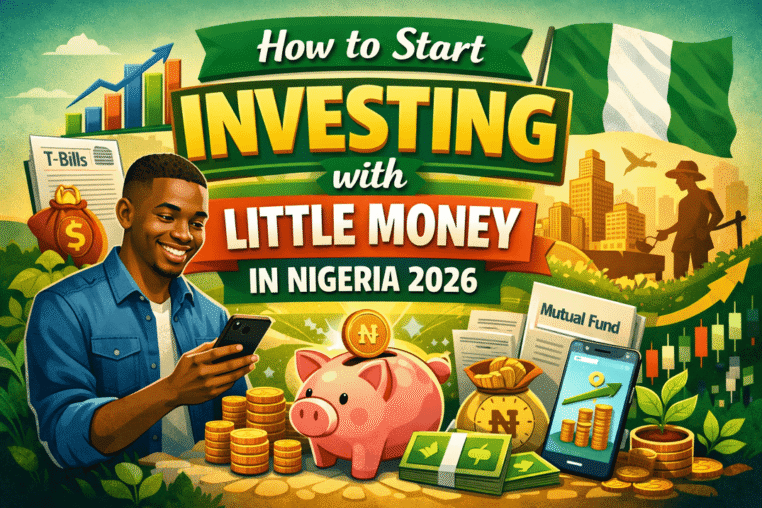
 Investing is no longer something reserved for the wealthy. In 2026, more Nigerians are discovering that you can start building wealth even with a small amount of money. Whether you’re a student, a salary earner, or running a small business, the key is not how much you start with, but how early and how consistently you invest.
If you’ve been wondering how to begin your investment journey with limited funds in Nigeria, this guide will walk you through practical, safe, and beginner-friendly steps.
Why You Should Start Investing Early
One of the biggest financial mistakes people make is waiting until they have “enough money” before investing. The truth is, time matters more than amount.
When you start early:
- Your money grows through compound interest
- You develop strong financial habits
- You reduce reliance on a single income source
Even investing ₦5,000 or ₦10,000 monthly can grow significantly over time if done consistently.
Step 1: Set Clear Financial Goals
Before you invest, ask yourself:
- What am I investing for? (education, business, retirement, emergency fund)
- How long do I plan to invest?
- What level of risk can I handle?
Clear goals will help you choose the right investment options and avoid unnecessary losses.
Step 2: Start with What You Have
You don’t need millions to begin. Many investment platforms in Nigeria now allow you to start with as little as:
- ₦1,000 for mutual funds
- ₦5,000 for stocks
- ₦10,000 for treasury bills
The important thing is to start small and grow gradually.
Step 3: Build an Emergency Fund First
Before investing, ensure you have a small safety net. This should cover at least:
- 2–3 months of basic expenses
This prevents you from withdrawing your investments in emergencies, which can lead to losses.
Step 4: Explore Low-Cost Investment Options
Here are some of the best beginner-friendly investment options in Nigeria:
1. Mutual Funds
Mutual funds pool money from many investors and are managed by professionals.
Why they’re good:
- Low entry cost
- Diversified (reduces risk)
- Managed by experts
Examples include:
- Money market funds (low risk)
- Equity funds (higher risk, higher return)
2. Treasury Bills (T-Bills)
These are government-backed investments, making them one of the safest options.
Features:
- Low risk
- Fixed returns
- Short-term (91, 182, or 364 days)
You can invest through banks or fintech platforms.
3. Stocks (Shares)
Buying stocks means owning a small part of a company.
Pros:
- High growth potential
- Dividend income
Cons:
- Prices can fluctuate
Start with well-established companies and invest long-term rather than chasing quick profits.
4. Digital Investment Apps
Technology has made investing easier than ever. Many apps allow you to invest directly from your phone.
Benefits:
- Easy access
- Low minimum investment
- Automated savings options
Always choose platforms that are regulated and trusted.
5. Agriculture Investments
Agribusiness is growing rapidly in Nigeria, and some platforms allow you to invest in farming projects.
Note:
While returns can be attractive, ensure the platform is credible to avoid scams.
Step 5: Be Consistent (Not Perfect)
Consistency beats perfection in investing.
Instead of waiting to invest a large amount:
- Invest small amounts regularly (weekly or monthly)
- Use automatic savings features if available
This strategy is known as dollar-cost averaging, and it helps reduce risk over time.
Step 6: Avoid Common Investment Mistakes
As a beginner, be careful of these common pitfalls:
- Get-rich-quick schemes: If it sounds too good to be true, it probably is
- Lack of research: Always understand where your money is going
- Emotional decisions: Don’t panic during market fluctuations
- Putting all your money in one place: Diversify your investments
Step 7: Learn Continuously
Financial knowledge is your greatest asset. Take time to:
- Read books on investing
- Follow trusted financial blogs
- Watch educational videos
The more you learn, the better decisions you’ll make.
Step 8: Reinvest Your Returns
Instead of spending your profits, reinvest them. This helps your money grow faster over time.
For example:
- Dividends from stocks → buy more shares
- Interest from mutual funds → reinvest
This is how small investments turn into significant wealth.
Best Tips for Investing with Little Money in 2026
- Start now, not later
- Be patient, wealth takes time
- Focus on long-term growth
- Track your investments regularly
- Stay disciplined even during tough times
Final Thoughts
Starting your investment journey in Nigeria with little money is not only possible, it’s one of the smartest financial decisions you can make in 2026. With the rise of digital platforms, access to investment opportunities has never been easier.
Remember, the goal is not to become rich overnight but to build sustainable wealth over time. Start small, stay consistent, and keep learning.