
 Written by
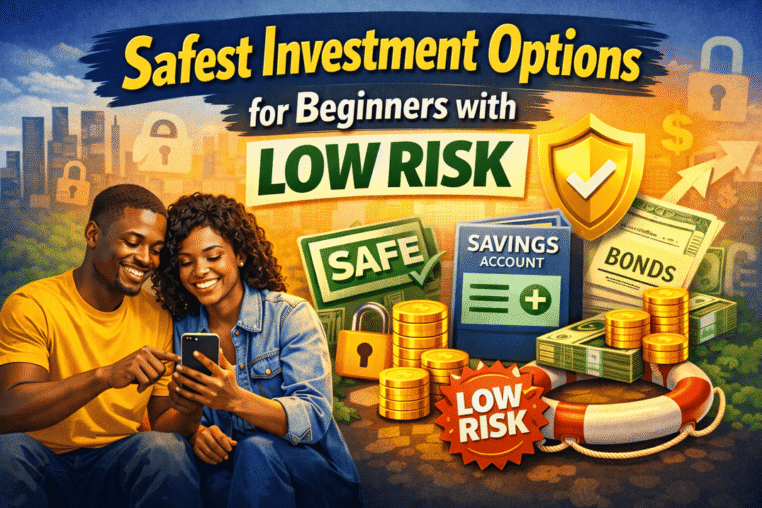
 Starting your investment journey can feel overwhelming, especially when you’re concerned about losing money. The good news is that not all investments carry high risk. There are several safe and beginner-friendly options that allow you to grow your money steadily while protecting your capital.
If you’re new to investing, focusing on low-risk options is a smart way to build confidence and develop good financial habits. This guide explores the safest investment options for beginners and how to get started the right way.
What Are Low-Risk Investments?
Low-risk investments are financial options designed to preserve your capital while offering modest, stable returns. Unlike high-risk investments such as speculative trading, these options prioritize safety and consistency.
Key characteristics include:
- Predictable returns
- Lower volatility
- Capital preservation
- Long-term growth potential
While the returns may not be extremely high, they are more reliable, making them ideal for beginners.
Why Beginners Should Start with Low-Risk Investments
Starting with safer investments helps you:
- Avoid significant financial losses
- Learn how investing works
- Build confidence over time
- Create a stable financial foundation
Once you gain experience, you can gradually explore higher-risk opportunities if desired.
Safest Investment Options for Beginners
1. High-Yield Savings Accounts
High-yield savings accounts are one of the safest places to store your money while earning interest.
How it works:
Banks or fintech platforms pay interest on your deposited funds.
Why it’s safe:
- Minimal risk
- Easy access to funds
- Ideal for emergency savings
Best for: Short-term goals and beginners who want zero stress.
2. Fixed Deposits (Time Deposits)
Fixed deposits allow you to lock your money for a specific period in exchange for guaranteed returns.
Key benefits:
- Fixed interest rates
- Predictable income
- Low risk
Things to consider:
You may not be able to withdraw funds before maturity without penalties.
3. Government Bonds
Government bonds are considered one of the safest investments because they are backed by the government.
How it works:
You lend money to the government, and they pay you interest over time.
Advantages:
- Very low risk
- Regular interest payments
- Suitable for long-term investing
4. Treasury Bills
Treasury bills are short-term government securities with low risk.
Why they’re popular:
- Short investment duration
- Reliable returns
- Backed by government
They are ideal for beginners who want a safe place to grow their money over a few months.
5. Money Market Funds
Money market funds pool money from investors and invest in low-risk instruments like treasury bills and commercial papers.
Benefits:
- Higher returns than savings accounts
- Easy withdrawals
- Professionally managed
Best for: Beginners who want slightly better returns with low risk.
6. Index Funds and ETFs
Index funds and Exchange-Traded Funds (ETFs) track the performance of a market index.
Why they’re relatively safe:
- Diversification reduces risk
- Lower fees
- Long-term growth potential
Beginner tip: Focus on broad market indices rather than niche sectors.
7. Dividend-Paying Stocks
Some companies pay regular dividends to shareholders, providing a steady income stream.
Advantages:
- Passive income
- Potential for price growth
- More stable than growth stocks
Note: While safer than many stocks, they still carry some market risk.
8. Cooperative Savings and Investment Plans
Many communities offer cooperative savings schemes where members contribute regularly and earn returns.
Why it’s useful:
- Encourages discipline
- Low entry requirements
- Community-based support
How to Choose the Right Low-Risk Investment
When selecting an investment, consider:
Your Financial Goals
Are you saving for the short term or long term?
Liquidity Needs
Do you need quick access to your money?
Risk Tolerance
Even low-risk investments carry some level of uncertainty.
Inflation Protection
Ensure your returns can at least keep up with inflation.
Tips for Safe Investing
Start Small
Begin with an amount you are comfortable with and increase gradually.
Diversify
Spread your money across different investments to reduce risk.
Stay Consistent
Regular contributions help grow your investment over time.
Avoid Scams
Be cautious of offers promising guaranteed high returns.
Do Your Research
Understand how each investment works before committing your money.
Common Mistakes Beginners Should Avoid
- Putting all money into one investment
- Ignoring fees and charges
- Investing without clear goals
- Chasing high returns with high risk
- Not reviewing investments regularly
Can Low-Risk Investments Still Grow Your Wealth?
Yes, they can. While returns may be slower, consistency and compounding make a big difference over time. For example:
- Reinvesting interest increases your earnings
- Long-term investing builds substantial wealth
- Stable returns reduce financial stress
The goal is not quick profits but steady and reliable growth.
Balancing Safety and Growth
As you gain experience, you may choose to balance your portfolio by combining:
- Low-risk investments (for stability)
- Moderate-risk investments (for growth)
This approach helps you protect your money while still increasing your earning potential.
Conclusion
Investing doesn’t have to be risky, especially when you’re just starting out. By focusing on safe, low-risk options like savings accounts, government bonds, and money market funds, you can grow your wealth with confidence.
The key is to stay patient, remain consistent, and avoid unnecessary risks. Over time, even small investments can lead to significant financial progress.
Start with what you have, choose wisely, and build your financial future step by step.